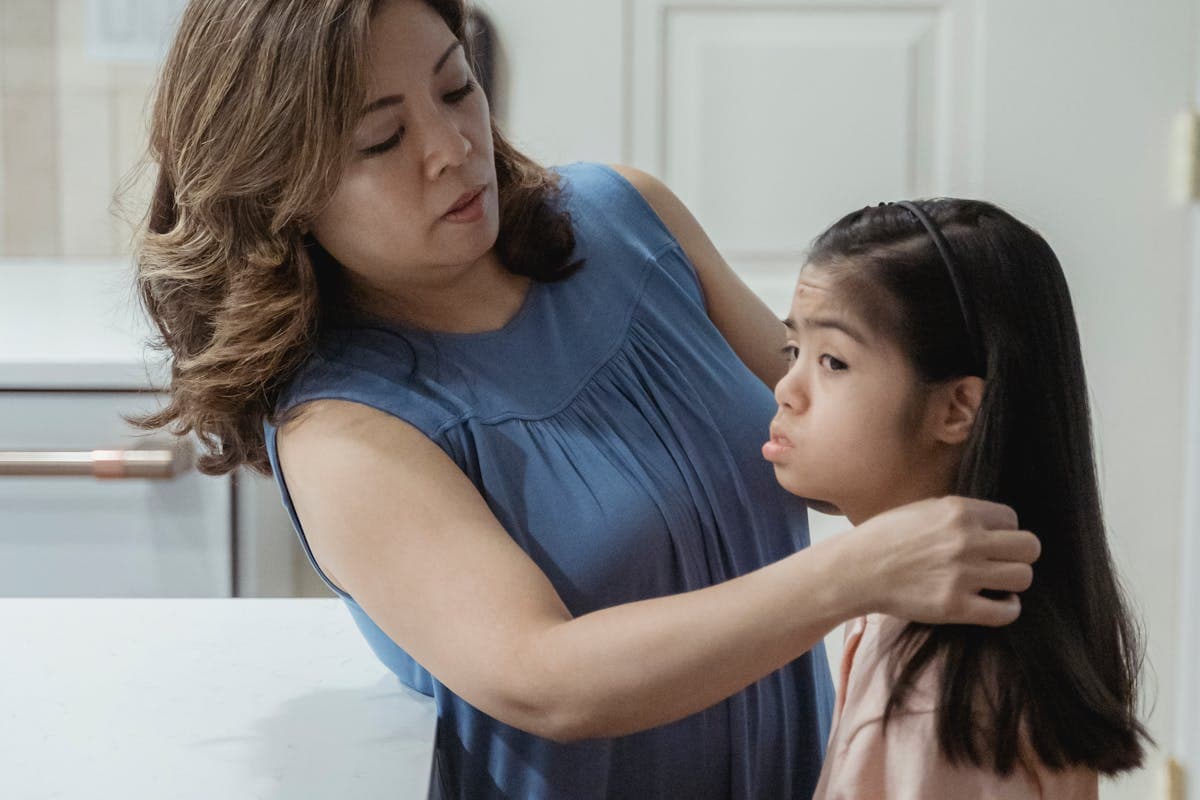
Head Lice Before Back to School: How to Get Rid of Them Effectively
The end of summer is approaching fast, and with it comes a season of heightened parental vigilance — not just for new backpacks and notebooks, but also for head lice. Head lice infestation is one of the most common complaints among school-age children and — importantly — it is absolutely not a sign of poor hygiene. Any child can pick them up, regardless of how often they wash their hair.
The good news is that head lice are fully treatable using over-the-counter pharmacy products, the right comb, and a bit of consistency. The bad news is that treatment needs to start immediately and be carried out methodically, because the parasites multiply quickly and their eggs (nits) are notoriously hard to remove.
In this article you will find everything you need to know: how to recognise head lice, how to tell them apart from dandruff, which products to choose, how to carry out treatment step by step — and why a repeat application after a week is not optional, but essential.
What are head lice and how do you catch them?
Head lice infestation (pediculosis capitis) is caused by the parasite Pediculus humanus capitis — the head louse. Adult lice are about 2–3 mm long, greyish-brown in colour, and move very quickly through the hair. They feed on blood from the scalp, which causes the characteristic itching.
Infestation occurs almost exclusively through direct head-to-head contact — during play, hugging, looking at a phone together, or sharing a bed. Lice cannot fly or jump. Indirect transmission (via hats, pillows, hairbrushes) is possible but much less common — an adult louse away from a scalp dies within 24–48 hours without access to food.
The "dirty hair" myth — debunked once and for all
Head lice are not caused by poor hygiene. Lice are just as happy — perhaps happier — in clean, well-groomed hair. The belief that "only dirty children get lice" is a harmful stereotype that delays prompt treatment. Shame about the problem only slows down action and increases the risk of it spreading through a class.
How to recognise head lice — nits versus dandruff
The first sign is usually intense, recurring itching of the scalp, especially around the nape of the neck, behind the ears, and at the temples — the spots where lice prefer to lay their eggs. In some children itching does not appear for the first few weeks, which is why regular checks matter more than waiting for symptoms.
When examining the scalp you may find:
- Adult lice — moving quickly and hard to catch. They are easiest to spot using a nit comb coated with conditioner.
- Nits — eggs glued to the hair shaft close to the scalp. They are about 0.8 mm in size, pearly white or yellowish, and firmly attached to the hair.
- Empty shells — hatched egg casings, lighter and more matt than unhatched nits.
How to tell nits from dandruff
This is a common question with a simple answer — dandruff flakes off easily, nits do not. Dandruff consists of loose flakes of dead skin that fall away with a gentle rub. Nits, on the other hand, are permanently glued to the hair shaft by a substance produced by the louse. Trying to slide a nit along the hair meets clear resistance — that is the key distinguishing feature.
Nits are also found predominantly close to the scalp (within about 1 cm of the root), while dandruff can appear along the entire length of the hair. If you are unsure, hold the hair strand with the suspicious speck up to a torch beam — a nit will look translucent and oval, while dandruff appears matt and irregular in shape.
Over-the-Counter treatments for head lice — which to choose?
Pharmacies stock several groups of over-the-counter products. They differ in how they work, their safety profile, and ease of use.
Dimethicone — physical action, no resistance risk
Dimethicone (polydimethylsiloxane) is a silicone polymer that works physically — it penetrates the louse's respiratory system and blocks its ability to regulate water balance, causing death by suffocation. Because it is not a chemical insecticide in the traditional sense, lice cannot develop resistance to it. This is an important advantage over older insecticide-based treatments.
Dimethicone products are available as sprays or liquids massaged into the scalp. Exposure time is typically 8–12 hours (for example, applied overnight), after which the hair is rinsed thoroughly and combed through. Dimethicone is considered safe for children over 2 years of age and during pregnancy, though you should always read the leaflet for the specific product you are using.
Permethrin — the classic insecticide
Permethrin is a synthetic pyrethroid that disrupts the nervous system of lice, causing paralysis and death. It is effective and widely used, though in some areas resistance to permethrin among head lice has been reported. It is usually available as a shampoo or lotion applied to wet or dry hair, with a contact time of around 10–30 minutes before rinsing.
How much does your basket cost?
See how much your basket costs across pharmacies — free, no registration
Compare pricesPermethrin should not be used on infants under 2 months of age. In older children and adults it is safe when used correctly. Avoid contact with eyes and mucous membranes after application.
Other active ingredients
- Pyrethrum (a natural equivalent of permethrin derived from chrysanthemum plants) — found in some shampoos; similar action profile to permethrin but with somewhat less clinical data behind it.
- Malathion — an older organophosphate insecticide; effective but with a stronger odour and more contraindications. Used less frequently today; in many countries it is only available on prescription.
- Essential oils (tea tree, lavender, eucalyptus) — found in "natural" products; may support treatment but their standalone effectiveness is not confirmed by robust clinical trials. They should not be used as the sole method of treatment.
How to apply the product correctly
The effectiveness of any product depends largely on following the leaflet instructions. A few rules common to most products:
- Apply to dry or slightly damp hair (unless the leaflet specifies otherwise) — water dilutes the concentration of the active ingredient and may reduce effectiveness.
- Cover the entire scalp — pay particular attention to the areas behind the ears, the nape of the neck, and the temples, where lice are most commonly found.
- Respect the stated exposure time — cutting it short reduces effectiveness, while exceeding the recommended limit can irritate the scalp.
- Do not use a plastic cap unless the product leaflet specifically recommends it — restricting air access can work against the intended mechanism in physically acting products.
- Once you have rinsed the product out, move straight to combing with a fine-toothed lice comb — the treatment temporarily immobilises or kills parasites, making combing easier and more effective.
The nit comb — the key to success
No pharmacological product removes the need to comb out nits with a fine-toothed lice comb. Most treatments kill adult lice and nymphs but do not always destroy every single egg. Nits removed by combing are nits that will not hatch in the days ahead.
How to comb out nits correctly:
- Wash and condition your child's hair — wet, conditioner-coated hair is easier to comb and reduces lice mobility.
- Divide the hair into sections and work methodically from the scalp towards the ends.
- After each stroke of the comb, wipe it on a damp tissue and check what it has caught.
- Repeat combing every day for at least 2 weeks after the pharmacological treatment.
Laundry and disinfection — what is actually necessary?
An adult louse away from the scalp dies within 24–48 hours without access to food (blood). A nit without the warmth of its host cannot develop and hatch after roughly 10 days. Washing all bedding, clothing, and accessories used within the past 2 days at a high temperature is therefore an effective and sufficient measure — there is no need to disinfect the entire home or use insecticide sprays in living areas.
What to do:
- Wash bedding, pillows, and clothing at 60°C (140°F) or higher.
- Items that cannot be washed (soft toys, hats, scarves) can be sealed in an airtight plastic bag for 2 weeks, or tumble-dried on a high heat setting for 20 minutes.
- Soak brushes and combs in hot water (above 60°C) for 10 minutes, or discard them.
- Vacuum the sofa, armchairs, and mattress — that is sufficient; scrubbing is unnecessary.
There is no need to use insecticide sprays in the home — head lice cannot survive long away from a scalp.
Repeat treatment after 7–9 days — mandatory, not optional
This is the most frequently skipped step in treatment, and the main reason for reinfestations. Most over-the-counter (OTC) lice products do not kill 100% of eggs (nits). Even when the treatment is done correctly, some eggs may survive and hatch after 7–10 days. Newly hatched nymphs are still vulnerable to the product — but if you skip the second application, within another 10–14 days they will reach sexual maturity and begin laying new eggs. The cycle closes and you are back to square one.
The rule is simple: apply the product again 7–9 days after the first treatment, then continue daily combing with the nit comb for another week. Only after 2 weeks have passed since the last product application, with no live lice or fresh nits visible, can you consider the treatment complete.
It is worth marking this date in a calendar or setting a phone reminder — without it, it is easy to forget, especially once the first round of treatment brings relief and the child stops scratching. The absence of itching does not mean the absence of lice.
Check the whole family and notify the school
Head lice spread quickly among people living under the same roof. Once a diagnosis is confirmed, check everyone in the household — parents, siblings, and even grandparents who have regular close contact with the child. Anyone found to be infested should begin treatment at the same time as the diagnosed child; otherwise reinfestation is inevitable.
It is also worth informing the class teacher or school nurse about the case. This allows checks to be carried out and, if needed, children in close contact to be treated — without this step, the risk of relapse is very high. Most schools have clear procedures for handling these situations and treat it as a routine health matter, not something to be embarrassed about.
When to see a pharmacist or doctor
In the vast majority of cases, head lice can be treated effectively at home with over-the-counter products. However, it is worth speaking to a pharmacist or doctor when:
- Two full courses of treatment (with a repeat at days 7–9) have produced no results — this may indicate resistance to the active ingredient; switch to a product with a different mechanism of action.
- The scalp is severely irritated, red, or crusted — there may be a secondary bacterial infection requiring antibiotic treatment.
- The child is under 2 years of age — product selection must take age and weight into account.
- The child has a known allergy to any ingredient in the product — a doctor or pharmacist can suggest an alternative.
- Lice appear in the eyelashes or eyebrows — this is a different clinical situation requiring a different approach.
Frequently asked questions
Can lice jump or fly?
No. Head lice have no wings and cannot jump — they move only by crawling. Infestation occurs almost exclusively through direct head-to-head contact. This is important information because it dispels the myth that you can "catch lice from the air" at school.
Does washing hair more often prevent head lice?
Unfortunately not. Lice do not avoid clean hair — if anything, clean and well-maintained hair makes it easier for them to move around. No frequency of hair washing and no type of shampoo offers reliable protection. The only dependable preventive measure is regular inspection of your child's scalp (for example, once a week) and swift action after a child returns from a camp, holiday club, or any period of close contact with peers.
How long does effective lice treatment take?
The minimum effective protocol is two product applications (day 1 and day 7–9) plus daily nit combing for 2 weeks. In total, from diagnosis to full clearance, treatment typically takes 10–14 days. Stopping treatment early is the most common cause of relapse.
Can the child go back to school during treatment?
After the first product application and thorough combing, a child can usually return to school the following day — provided no live lice are visible. There is no need to keep the child home for the entire duration of treatment. It is a good idea to let the school know, so the class can be checked.
Is dimethicone safer than permethrin?
Both products have a good safety profile when used correctly. Dimethicone acts mechanically, so it does not interact with medications and has no toxic effect on the human nervous system. Permethrin is an insecticide and in rare cases may cause skin irritation. For children with sensitive skin or allergies, dimethicone-based products are often the preferred choice. Ask your pharmacist about the specific products available.
What should I do if the treatment is not working?
If live lice are still visible after two correctly conducted treatment courses, switch to a different active ingredient — if you used permethrin, try dimethicone, and vice versa. Lice in some areas may be resistant to one particular ingredient. Consult a pharmacist or doctor; prescription-only products are available if needed.
Summary
✅ Head lice are nothing to be ashamed of — any child can get them regardless of hygiene.
✅ Nits cling firmly to the hair shaft and cannot be shaken off — dandruff can; that is the key difference.
✅ Dimethicone and permethrin are effective over-the-counter treatments available without prescription at any pharmacy.
✅ A nit comb is an essential complement to any pharmacological treatment — without it, the risk of relapse increases significantly.
✅ A repeat treatment at days 7–9 is mandatory to eliminate lice that hatch after the first application.
✅ Check everyone in the household and inform the school — this is key to breaking the chain of transmission.
✅ Hot washing (60°C / 140°F) of bedding and clothing used in the past 2 days is fully sufficient — no need to disinfect the whole home.
Disclaimer
This article is for educational and informational purposes only. It does not replace a consultation with a doctor or advice from a pharmacist. If you have any doubts about the diagnosis, product selection, or lack of treatment response, please speak to a doctor or pharmacist.
Once you have your list of products — a dimethicone shampoo or lotion, a detangling conditioner to aid combing, a nit comb, and sealable bags for items that cannot be washed — it is worth comparing the total cost of the whole kit rather than just individual pack prices. On CheaperForDrug you can put your entire basket together and check which of 100+ online pharmacies offers it at the lowest combined price. Real savings come from comparing the whole basket, not a single product — especially when treatment needs to be repeated and bedding has to be washed on a hot cycle for two weeks.