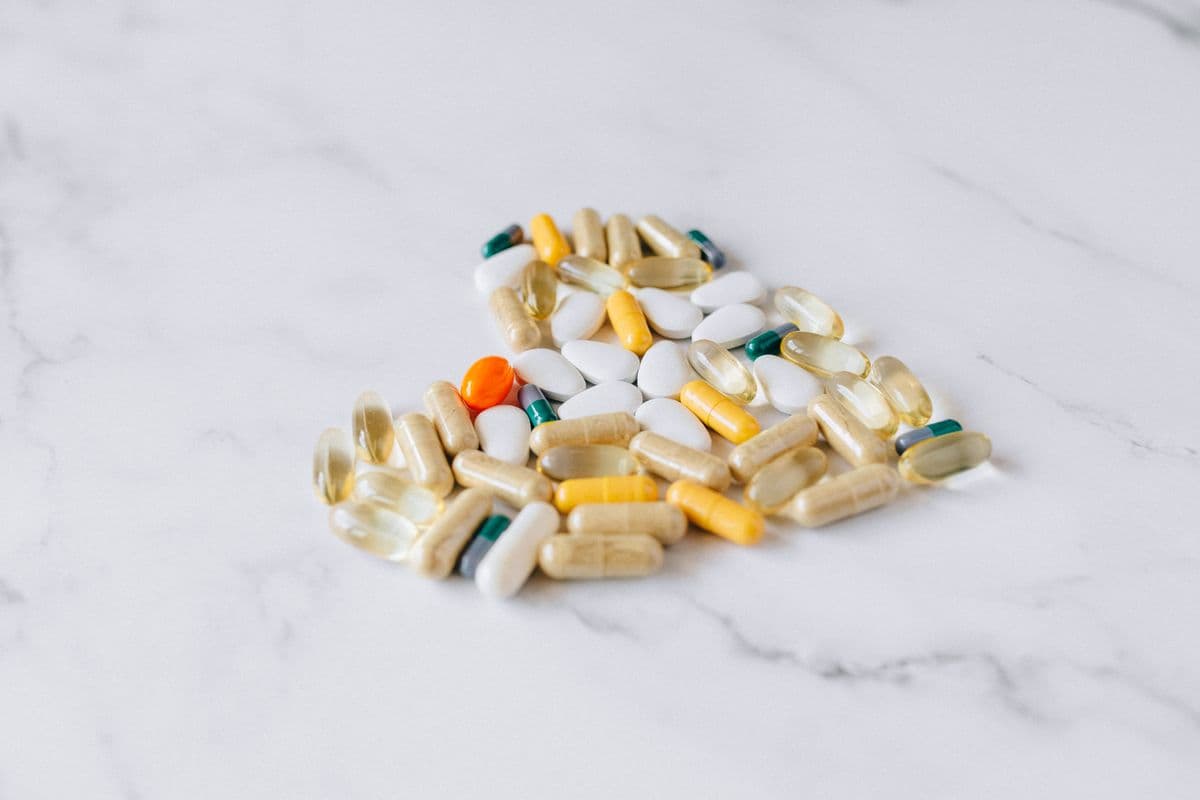
Supplements for Memory and Concentration: Lecithin, Ginkgo, Omega-3
Before every exam season, pharmacies are flooded with customers. Students reach for ginkgo biloba tablets, lecithin, and all manner of "concentration complexes," hoping for a quick boost in mental performance. Older adults, meanwhile, ask about supplements that might slow down forgetfulness. The nootropics market — the fashionable term for substances said to enhance cognitive function — is growing at double-digit rates, and the promises on the packaging are getting ever more impressive.
The trouble is that marketing enthusiasm and rigorous science are two very different things. Some substances have solid research behind them; others survive primarily on collective belief. In this article we separate the two: what has real evidence, what only works under specific conditions, and what is largely myth.
No beating around the bush — let's get started.
What Actually Affects Memory and Concentration?
Before we get to supplements, an important perspective: no supplement can compensate for chronic sleep deprivation, a poor diet, or a sedentary lifestyle. The brain is a biological organ that runs on basic metabolic principles.
The most evidence-backed "boosters" of cognitive function are:
- Sleep (7–9 hours) — memory consolidation happens during sleep; sleep deprivation harms working memory, attention, and reaction time more than anything else
- Physical activity — increases production of BDNF (brain-derived neurotrophic factor), which literally supports the growth of new neural connections
- Adequate hydration — even 2% dehydration measurably impairs cognitive function
- A diet rich in vegetables, fish, and nuts — supplies essential fatty acids, B vitamins, and antioxidants
This does not mean supplements are useless — but they need to be an addition to solid foundations, not a substitute for them.
Omega-3 DHA: One of the Few Supplements with Real Evidence
Omega-3 fatty acids — and DHA (docosahexaenoic acid) in particular — are the most thoroughly documented supplement in the context of brain function. This is no coincidence: DHA makes up around 30–40% of all fatty acids in the cerebral cortex and is essential for the structural integrity of neuronal cell membranes.
When Does Omega-3 DHA Actually Help?
In infants and young children — the evidence is strongest here. DHA is critical for nervous system development; deficiencies at this stage have lasting consequences.
During pregnancy — DHA supplementation in pregnant women is associated with better cognitive outcomes in children.
In people who eat little oily fish — anyone who does not eat oily sea fish (salmon, mackerel, sardines) two to three times a week is likely to have sub-optimal DHA levels. Supplementation makes sense here.
In older adults — research indicates that higher blood DHA levels correlate with a slower rate of cognitive decline. It is not a miracle cure that halts dementia, but it is a beneficial factor in long-term prevention.
Dosage and Forms
- General prevention: 250–500 mg DHA per day
- Cognitive support: 500–1000 mg DHA per day
- Forms: fish oil capsules; algae oil (vegan form, with comparable bioavailability to fish oil)
- What to check: the DHA content per capsule (not total omega-3); a purity-certified product (free from mercury and PCBs)
Important: High doses of omega-3 (above 3 g per day) may affect blood clotting. Anyone taking anticoagulant medication should discuss supplementation with a doctor before starting.
B Vitamins: Effective, But Only When There Is a Deficiency
Vitamins B1, B6, B9 (folate), and B12 are essential for normal nervous system function. But here is the crucial caveat: B vitamin supplementation improves cognitive function only when a deficiency actually exists.
Who is at risk of deficiency?
- Older adults — absorption of B12 from food declines with age; deficiency affects as many as 10–15% of people over 60
- Vegetarians and vegans — B12 is virtually absent from plant-based foods
- People taking metformin — this medication impairs B12 absorption
- People with gastrointestinal conditions (e.g. Crohn's disease, coeliac disease)
- Heavy alcohol users — alcohol depletes B vitamin stores
If you fall into none of these categories and eat a balanced diet, buying an expensive "memory B complex" will almost certainly produce no cognitive benefit. Excess water-soluble B vitamins are simply excreted in urine.
The Special Role of B12
A B12 deficiency can cause symptoms that closely mimic dementia: memory problems, slowed thinking, and depression. This is one of the rare cases where a supplement can dramatically improve cognitive function — because it corrects a specific deficiency. For this reason, any older adult experiencing memory decline should have their B12 blood level checked before reaching for nootropics.
Caffeine and L-Theanine: The Simplest and Most Effective Combination
It sounds almost too obvious, but the combination of caffeine and L-theanine is one of the most thoroughly researched interventions for concentration and attention. Caffeine blocks adenosine receptors, reducing fatigue and improving alertness. L-theanine (an amino acid from green tea) smooths out caffeine's side effects — jitteriness, anxiety, and heart palpitations — while prolonging and steadying its effects.
How much does your basket cost?
See how much your basket costs across pharmacies — free, no registration
Compare pricesHow to Use It
- Ratio: 100 mg caffeine + 200 mg L-theanine (a 1:2 ratio)
- Natural source: good quality green tea contains both compounds in roughly these proportions
- Supplement form: capsules combining caffeine and L-theanine, available at pharmacies and supplement retailers
- Onset: 30–60 minutes after intake; effects last 3–5 hours
Who is it for? Students facing an important test, people in intensive study periods, and anyone doing demanding mental work. Note: caffeine taken after 2–3 PM can disrupt sleep, which impairs memory over time. There is no point helping yourself through the day only to pay for it at night.
Ginkgo Biloba: Famous, But the Evidence Is Weaker Than the Advertising
Ginkgo biloba is probably the most widely purchased memory supplement in Europe. That is understandable — it has a thousand-year history in Chinese medicine and an impressive profile of active compounds (flavonoids, terpenoids). The problem is that when tradition is subjected to rigorous clinical trials, the picture becomes considerably more modest.
What Does the Research Show?
Large randomised trials — including the landmark GEM study (Ginkgo Evaluation of Memory, n = 3,000+) — found that ginkgo biloba does not prevent dementia or slow cognitive decline in healthy older adults. Meta-analyses looking at mild cognitive impairment yield mixed results: some indicate a modest improvement on certain tasks; others show no difference from placebo.
What ginkgo may do:
- Improve cerebral microcirculation (the mechanism is biologically plausible)
- Act as an antioxidant
- Provide some relief from tinnitus linked to circulatory problems
For Whom Is Ginkgo Least Justified?
For a healthy young student wanting to "turbocharge" their memory before an exam — the evidence is essentially non-existent. Ginkgo is not an energy vitamin or a stimulant. If you are buying it hoping for quick results, you are most likely experiencing nothing more than a placebo effect.
Watch out for interactions: Ginkgo biloba has anticoagulant properties. It should not be combined with aspirin, ibuprofen, warfarin, or other blood-thinning medications without consulting a doctor or pharmacist first.
Lecithin: A Useful Dietary Ingredient, but a Weak "Memory Supplement"
Lecithin is a mixture of phospholipids — including phosphatidylcholine, which is a source of choline. Choline is a precursor to acetylcholine, the neurotransmitter central to memory and learning. On paper this sounds like a perfect justification for supplementation.
The logic is sound, but the mechanism breaks down at the final step: lecithin supplementation does not lead to a meaningful increase in acetylcholine levels in the brain. Acetylcholine production is regulated by the brain at multiple levels, and simply supplying more of the substrate (choline) does not override that regulatory system.
When Does Lecithin Make Sense?
Lecithin is a genuinely useful supplement in specific situations:
- When dietary choline intake is low — vegans and people who cannot eat eggs (the main dietary source of choline) may have sub-optimal levels
- Liver support — phosphatidylcholine supports hepatocyte cell membrane structure and is used as a supplement in fatty liver conditions
- Breastfeeding women — choline is important for infant nervous system development
As a "memory pill" for a healthy person with a normal diet — the justification is weak given the current state of the evidence.
Other Popular Nootropics — A Brief Review
Bacopa Monnieri
One of the few herbal nootropics with reasonably solid research. Several meta-analyses suggest improvements in episodic memory and information-processing speed — but the effects are slow to appear (visible after 8–12 weeks) and modest in size. Typical dosage: 300–450 mg of standardised extract per day. It can cause stomach upset; best taken with food.
Citicoline (CDP-Choline)
Delivers choline in a more bioavailable form than lecithin. The evidence is better than for lecithin, though still limited — it shows some improvement in attention and memory, particularly after brain injury or in the context of ageing. The price is considerably higher than lecithin.
Phosphatidylserine
A phospholipid found in brain cell membranes. Several studies point to memory benefits in older adults. Historical research used bovine-derived phosphatidylserine; more recent soy-based preparations have weaker evidence. Price is high.
Multi-Ingredient "Memory" Formulas
Many popular supplements are combinations of numerous ingredients in small doses — often ginkgo + lecithin + B vitamins + zinc + minerals. The problem: the amounts of each ingredient are typically too small to produce a therapeutic effect, and the synergy between them is rarely confirmed by research. You are buying attractive packaging with a long ingredient list but insufficient quantities of any individual component.
Supplementation for Different Groups
Students and Young Adults
Before an exam, the most evidence-backed approach is the caffeine + L-theanine combination (for concentration) paired with adequate sleep the night before (for memory consolidation). If your diet is low in fish, omega-3 DHA supplementation over the longer term (at least 8–12 weeks) may be beneficial. Ginkgo and lecithin have weak justification in this group.
Knowledge Workers (Ages 35–55)
Omega-3 DHA (if fish intake is low), B vitamins (it is worth checking B12 levels — especially after age 40), caffeine + L-theanine as needed. Sleep and physical activity matter more than any supplement.
Older Adults (65+)
This is the group with the strongest case for supplementation. It is worth testing blood levels of B12 and vitamin D — both deficiencies are common and affect cognitive function. Omega-3 DHA where fish intake is low. Ginkgo is debatable, but in the absence of contraindications and when an older adult's expectations are set realistically, it is not without merit; interactions with medications must always be flagged. Any change in supplementation for someone who takes regular medication should be discussed with a doctor or pharmacist.
When a Doctor Is Needed Instead of a Supplement
There are situations where memory and concentration problems require diagnosis, not a supplement:
- Sudden deterioration in memory — can indicate a TIA, stroke, or other serious cause
- Memory problems that interfere with daily life in someone over 60–65 — warrants ruling out dementia, deficiencies (B12, thyroid hormone, vitamin D), or depression
- Concentration problems and hyperactivity that have been present since childhood — possible ADHD requiring specialist assessment
- Cognitive difficulties accompanied by symptoms of depression or anxiety — depression is one of the most common and most reversible causes of memory impairment
No supplement can replace proper diagnosis when the memory problem stems from an illness that requires treatment. If symptoms are sudden or severe, contact emergency services or seek urgent medical care.
Frequently Asked Questions
Does Ginkgo Biloba Prevent Alzheimer's Disease?
No — large clinical trials (including GEM and similar studies) found that ginkgo biloba does not prevent dementia or Alzheimer's disease. This is one of the most persistent myths in the supplement category. Ginkgo may have a modest circulatory benefit, but it does not protect against the development of neurodegenerative diseases.
How Long Does It Take for a Supplement to Work?
That depends on the substance. Caffeine + L-theanine acts within 30–60 minutes. Omega-3 DHA requires 8–12 weeks of regular supplementation to raise brain DHA levels. Bacopa monnieri — effects appear after 8–12 weeks. B vitamins in the presence of a deficiency — improvement may be noticeable within a few weeks. There is no supplement that will meaningfully improve memory within a day or two.
Can Different Memory Supplements Be Combined?
Yes, but with care. Omega-3 + B vitamins + caffeine with L-theanine is a safe combination for a healthy adult. Combinations involving ginkgo biloba and other herbal ingredients, however, can interact with blood thinners, antidepressants, and anticoagulant medications. Always let your pharmacist know about all supplements you are taking — particularly if you use any prescription medications.
Are Memory Supplements Safe for Children?
Omega-3 DHA is safe and recommended for children (at child-appropriate doses). Other "nootropics" — ginkgo, high-dose lecithin, bacopa, citicoline — do not have sufficient safety data in children and should not be given without consulting a paediatrician.
Can Diet Replace Memory Supplements?
In many cases, yes. Two portions of oily sea fish per week cover the DHA requirement. Eggs, meat, and dairy supply B12 and choline. Walnuts, flaxseed, and rapeseed oil are plant-based sources of ALA (a DHA precursor, though conversion is limited). The Mediterranean diet and the MIND diet are the best-studied dietary patterns for supporting long-term brain health.
What Is the Difference Between Lecithin and Citicoline?
Both provide choline, but citicoline (CDP-choline) is more bioavailable and crosses the blood-brain barrier more effectively. Citicoline also has stronger scientific evidence than soy lecithin as a cognitive support supplement. It is, however, considerably more expensive. For an average healthy adult the practical difference is probably smaller than the price gap suggests.
Summary
Omega-3 DHA has solid evidence — particularly when fish intake is low, in older adults, and for long-term prevention. It is the most sensible purchase in this category.
B vitamins work when there is a deficiency — check your B12 level before buying an expensive "memory complex"; supplementation without an underlying deficiency will produce no cognitive benefit.
Caffeine + L-theanine is a simple and effective combination — the most thoroughly researched and reliable way to achieve a short-term boost in concentration and alertness.
Ginkgo biloba has weaker evidence than its advertising implies — modest potential in circulatory-related cognitive problems, no proven benefit for preventing dementia; watch out for drug interactions.
Lecithin is a useful supplement, but not a "memory pill" — it makes sense when dietary choline is genuinely low (vegans, breastfeeding women), not as a nootropic for the general population.
Sleep, exercise, and diet are the foundation — no supplement compensates for chronic sleep deprivation; these three factors have a greater impact on cognitive function than all nootropics combined.
Sudden or progressive memory problems require a doctor, not a supplement — B12 deficiency, thyroid disorders, depression, and vascular disease are reversible or treatable causes of cognitive impairment that a supplement cannot address.
Disclaimer
This article is for educational purposes only and does not constitute medical or pharmaceutical advice. The information here does not replace consultation with a doctor or pharmacist. Before starting any supplementation — especially if you take medication, have a chronic condition, or are experiencing memory problems — please consult a qualified professional.
If you regularly use memory and concentration supplements — omega-3, B vitamins, ginkgo biloba, or nootropic complexes — it is worth checking what your full supplement basket costs, not just a single pack. On CheaperForDrug you can compare the total cost of your supplement basket across 100+ online pharmacies at once — because real savings come from comparing the whole basket, not one item at a time.